

The Rise of Delayed and Unmarried Youth in India
The trend towards later marriage, reduced child marriages, and increasing personal choice demonstrates the progressive transformation in india and indian youth.
CULTURE
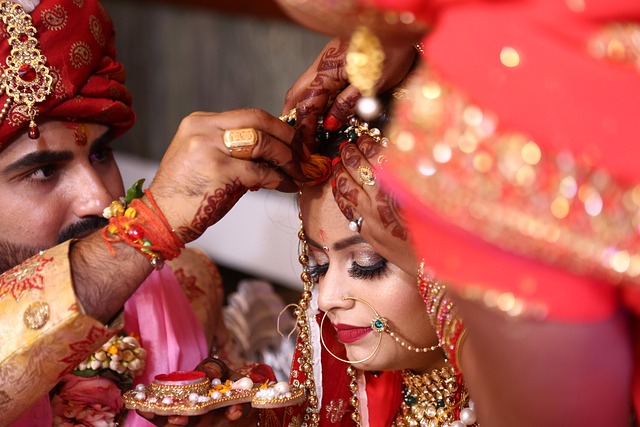

Over the past few decades, the attitude of Indian youth towards marriage has undergone a significant transformation. This shift is not merely a result of personal preference but is deeply intertwined with social, educational, economic, and cultural changes. Contemporary Indian youth are increasingly delaying marriage, and many choose not to marry at all, seeing it not as an inevitable milestone but as an option contingent upon their personal and professional readiness.
According to the National Statistical Office (NSO) in its “Youth in India Report 2022,” the proportion of unmarried individuals aged 15–29 years was approximately 17.2% in 2011, rising to nearly 23% by 2019. A gender-based breakdown shows that unmarried men increased from 20.8% to 26.1%, while unmarried women rose from 13.5% to 19.9%. These figures suggest that nearly one in four young people either delays marriage or opts out entirely. This trend highlights a fundamental shift in priorities where education, career development, and financial independence take precedence over early marriage.
The average age at marriage has also steadily increased. For women, the median age at first marriage rose from approximately 17.4 years in 2005–06 to 19.7 years in 2019–21. Men have shown a similar upward trend, indicating that marriage is increasingly taking place later in life. Child marriage has also witnessed a sharp decline. In 1992–93, nearly two-thirds of women married before the age of 18; by 2019–21, this proportion had fallen to 23.2%. Education has played a pivotal role in this shift, as women who have completed 12 or more years of schooling tend to marry around 5.5 years later than those with fewer years of education.
Several factors contribute to the growing tendency among youth to delay marriage or remain unmarried. Education has been a primary driver, offering not only knowledge but also the confidence, independence, and critical thinking necessary to make informed life decisions. While earlier generations often married immediately after completing basic schooling, today’s youth prefer to first establish themselves academically and professionally. Surveys reveal that highly educated women tend to delay marriage, seeking compatibility and shared values with their future partners rather than acquiescing to family or societal pressure.
Economic pressures further reinforce this delay. Weddings, associated ceremonies, households, and child-rearing responsibilities present substantial financial burdens. The challenges of urban living, high inflation, and job insecurity make early marriage less appealing. Many young people believe that they must achieve economic stability before marriage to ensure a smooth transition into the responsibilities of married life. Additionally, concerns about personal freedom, decision-making autonomy, and family obligations influence the decision to delay marriage.
Cultural and social values have also evolved, significantly influencing youth perspectives. Whereas earlier generations often married according to familial or societal arrangements, today’s youth increasingly select partners based on mutual understanding, shared goals, and intellectual compatibility. Marriage is no longer perceived as merely fulfilling tradition or social expectation but as a deliberate personal choice. Legal measures and social awareness campaigns have further reduced child marriages and early marriages, particularly among girls, enabling them to pursue education, career development, and personal growth.
The evolving priorities of youth extend beyond education and economic stability. Many young individuals prioritize independence, personal freedom, and self-discovery before committing to marriage. They wish to understand their own preferences, career paths, and life goals, and only then decide on a life partner. This shift has diminished the dominance of societal or familial pressures and elevated personal choice, understanding, and long-term compatibility as central to marital decisions.
The impact of these changes is evident in demographic trends. The number of unmarried youth is rising, the average age at marriage is increasing, and child marriages are declining. These changes have far-reaching implications for women, enabling greater access to education, health resources, and economic opportunities. The youth of today view marriage as an option that aligns with personal goals and readiness rather than as an obligatory societal milestone.
However, these shifts also present social and psychological challenges. Reduced companionship, changes in traditional family structures, and altered support systems may affect social cohesion and emotional well-being. While individual autonomy is increasing, responsibilities associated with adulthood, including relationship management, financial planning, and household duties, still require careful navigation. The balance between freedom and responsibility is crucial for a healthy social and psychological outcome.
Youth attitudes towards marriage reflect broader changes in mindset and values. Modern Indian youth increasingly approach marriage not as a social compulsion but as a partnership based on mutual respect, shared vision, and emotional compatibility. Priorities such as education, career growth, financial independence, and personal autonomy are central to the decision-making process. The emphasis is now on marrying the right person at the right time, rather than adhering to a predetermined societal timeline.
This transformation can be considered largely positive. It empowers young people to make informed choices, reduces the prevalence of child marriage, and promotes gender equality and women’s rights by providing them the opportunity to pursue education and careers. Personal autonomy, when exercised responsibly, can lead to higher quality of life and more meaningful partnerships. The societal shift reflects a move towards greater inclusivity, informed decision-making, and recognition of individual rights.
Nonetheless, the trend does pose challenges. Reduced familial involvement and community oversight may affect social cohesion and intergenerational support. The delay or absence of marriage may influence companionship patterns, child-rearing practices, and traditional family structures. Young people must balance their desire for independence with the responsibilities inherent in adult life, which requires a nuanced understanding of interpersonal dynamics, financial management, and emotional resilience.
The data further highlight regional and educational variations in marriage patterns. Urban youth tend to marry later compared to their rural counterparts due to greater exposure to education, career opportunities, and modern lifestyles. Similarly, higher educational attainment is strongly correlated with delayed marriage, reflecting the growing prioritization of professional and personal development. Gender also plays a significant role; women’s education and economic participation are key factors contributing to delayed marriage and lower child marriage rates.
Social and cultural shifts have played a complementary role. Awareness campaigns, legal reforms, and evolving family norms have collectively contributed to this transformation. As women gain more control over educational, career, and financial decisions, they increasingly participate in choosing life partners based on personal criteria. The move away from early, arranged marriages reflects a broader acceptance of autonomy and informed choice, gradually reshaping societal expectations.
The changing youth perspective on marriage is not merely a demographic statistic; it reflects a profound shift in values and priorities. Young Indians now view marriage through the lens of personal compatibility, mutual understanding, and long-term planning. Financial security, educational attainment, and professional success are no longer secondary considerations but integral to marital decisions. This holistic approach signifies a move towards thoughtful, intentional partnerships rather than marriages dictated by tradition or social convention.
The long-term implications of these trends extend to social structures, family dynamics, and population patterns. As marriage ages increase and child marriages decline, women’s participation in education and the workforce is likely to rise, contributing to broader economic growth. The societal perception of marriage as an option rather than an obligation can foster greater equality and shared decision-making within households. Emotional well-being, relationship quality, and family stability may benefit from partnerships based on informed choice and mutual understanding rather than coercion or social expectation.
While the shift towards delayed marriage and increasing autonomy is largely positive, it requires careful consideration of emerging challenges. Reduced familial oversight may weaken traditional support networks, potentially impacting child-rearing and social cohesion. Emotional and financial responsibilities associated with adult partnerships must be managed effectively to prevent stress and instability. Balancing personal freedom with social responsibility will be essential for sustaining the benefits of this societal transformation.
Overall, the evolving landscape of marriage in India illustrates a move towards empowerment, autonomy, and informed decision-making. Youth today are redefining the concept of marriage, emphasizing personal readiness, compatibility, and long-term planning over adherence to social norms or family pressures. This shift reflects a broader cultural evolution, where individual agency, gender equality, and thoughtful planning guide the trajectory of young lives.
India’s youth, by prioritizing education, career development, and personal growth, are reshaping societal expectations and redefining marriage as a conscious, deliberate choice. Legal reforms, social awareness, and economic participation are enabling young people, especially women, to assert their autonomy and make informed marital decisions. The trend towards later marriage, reduced child marriages, and increasing personal choice demonstrates the progressive transformation of Indian society, highlighting the importance of personal agency, responsible decision-making, and equality in shaping the future of relationships and families.