

The Growing Problem of Air Pollution
Air pollution is a growing global problem affecting our health, environment, and future. Learn its causes, harmful effects, and simple solutions to protect clean air for everyone.
ENVIRONMENT
What is Air Pollution?
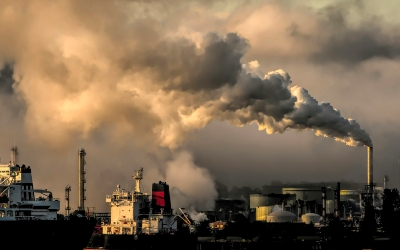
Air pollution is defined as the presence of harmful substances in the atmosphere that can have negative effects on both human health and the environment. It encompasses a wide array of pollutants that may originate from various sources, including stationary emissions such as factories and power plants as well as mobile sources like vehicles and aircraft. The significance of air pollution lies in its often invisible nature, which makes it challenging for individuals to recognize its presence, even as it permeates daily life.
The most common pollutants contributing to air pollution include particulate matter (PM), nitrogen oxides (NOx), sulfur dioxide (SO2), carbon monoxide (CO), and volatile organic compounds (VOCs). Particulate matter, for instance, is a mixture of small particles and liquid droplets that can easily become airborne, posing serious health risks when inhaled. Nitrogen oxides and sulfur dioxide frequently stem from the combustion of fossil fuels, particularly in transport and industry, resulting in the production of smog that can obscure visibility and harm respiratory health.
Another pertinent source of air pollution is the burning of waste materials, including plastics, which can release toxic fumes and pollutants into the air. Furthermore, indoor air quality is often compromised by household products, mold, and tobacco smoke, contributing to the broader issue of air pollution. Therefore, it is crucial to recognize the diverse sources and types of pollutants not only for awareness but also to drive collective efforts towards cleaner air and a healthier environment.
Why Clean Air is Essential
Clean air plays a fundamental role in ensuring the health and well-being of all living organisms, including humans. The importance of maintaining air quality cannot be overstated, as polluted air has significant detrimental effects on health. Exposure to air pollutants, such as particulate matter, nitrogen dioxide, and sulfur dioxide, is linked to various respiratory issues, including asthma, chronic bronchitis, and reduced lung function. Additionally, long-term exposure to polluted air can lead to severe health complications, such as cardiovascular diseases, stroke, and even cancer.
The impact of poor air quality extends beyond human health; it poses a threat to environmental sustainability and biodiversity. Clean air is vital for plants and animals, as it directly affects their ability to thrive. Plants require clean air to undergo photosynthesis, a process critical for converting carbon dioxide into oxygen. Contaminants in the air can inhibit this process, leading to reduced growth rates and decreased crop yields. Moreover, animals ranging from terrestrial species to aquatic life rely on clean air for respiratory health and overall vitality. Polluted air can disrupt ecosystems, leading to imbalances that can harm entire species.
Furthermore, clean air supports human productivity and societal well-being. Poor air quality can reduce cognitive performance and increase absenteeism in workplaces and schools. By ensuring that our environment is free from harmful air pollution, we facilitate not only healthier populations but also enhance economic growth and social stability. As we recognize the integral role of air quality in our lives, it becomes clear that efforts to improve and maintain clean air are paramount for the preservation of public health, environmental integrity, and the overall balance of our ecosystems.
The Impacts of Air Pollution on Health
Air pollution, a pervasive environmental issue, significantly impacts public health, contributing to a myriad of respiratory conditions and other health problems. Among the most common immediate effects of air pollution is an increase in respiratory illnesses. Individuals exposed to polluted air often experience symptoms such as coughing, wheezing, and shortness of breath. For many, particularly those with pre-existing health conditions, these symptoms can exacerbate chronic respiratory diseases like asthma and chronic obstructive pulmonary disease (COPD).
Statistical evidence highlights the gravity of the situation; according to the World Health Organization (WHO), air pollution is responsible for approximately 7 million deaths globally each year, factoring in both outdoor and indoor pollution. Children are particularly vulnerable, with studies indicating a rising incidence of respiratory issues in pediatric populations due to exposure to airborne pollutants. For instance, children living in urban areas with high levels of air pollutions, such as particulate matter (PM), are at a greater risk for developing asthma a condition that affects nearly 300 million individuals worldwide.
Long-term exposure to air pollution can result in persistent health complications. Research indicates a correlation between harmful air pollutants and cardiovascular diseases, lung cancer, and developmental issues in children. Notably, a study conducted in the United States found that long term residents in polluted areas face higher mortality rates associated with cardiovascular and respiratory conditions compared to those in cleaner environments. This emphasizes the need for robust public health initiatives aimed at reducing air pollution levels and protecting vulnerable populations.
In conclusion, the health implications of air pollution are substantial and multifaceted, encompassing a wide range of short-term and chronic conditions that threaten public health. It is imperative for policymakers, communities, and individuals to address the sources of air pollution to safeguard the health of current and future generations.
How Air Pollution Affects Our Planet
Air pollution presents a significant threat to our planet, influencing various environmental parameters and triggering catastrophic consequences. One of the most pressing concerns is its contribution to climate change. The presence of greenhouse gases, primarily carbon dioxide (CO2) and methane (CH4), in the atmosphere results from industrial emissions, vehicle exhaust, and agricultural activities. These gases trap heat, leading to the increasing global temperatures and altering weather patterns. Extreme weather events, such as hurricanes, droughts, and floods, are becoming more frequent as a consequence of a warming planet, signaling the urgent need for addressing air quality.
In addition to climate change, air pollution significantly impacts the ozone layer, which is crucial for protecting life on Earth from harmful ultraviolet (UV) radiation. Pollutants, such as chlorofluorocarbons (CFCs), have contributed to the depletion of this protective layer, increasing the rates of skin cancer and other health issues among living organisms. The continued release of these harmful substances poses a threat to both human health and biodiversity.
Moreover, air pollution adversely affects wildlife and their habitats. Numerous species experience a decline in health and reproductive success due to exposure to airborne toxins. For instance, birds, mammals, and aquatic life often suffer from respiratory ailments caused by polluted air. Such impacts not only diminish wildlife populations but can also result in disrupted ecosystems. The alteration of natural habitats due to pollution makes it increasingly difficult for various species to survive, leading to a long term threat to biodiversity.
Addressing air pollution requires concerted global efforts, from policy changes to individual actions. Understanding how air pollution affects our planet is the first step towards implementing solutions that protect our environment and ensure a breath of fresh air for future generations. Through heightened awareness and concerted actions, we can mitigate the damaging effects of air pollution on the Earth.
Small Actions That Make a Big Difference
As the guardians of our planet, children hold immense power to create a cleaner and healthier environment. Simple actions can lead to significant improvements in air quality, ultimately protecting our breathable future. One meaningful way children can contribute is by planting trees. Trees not only provide shade and beauty but also absorb carbon dioxide and release oxygen, effectively improving air quality. Schools could organize tree-planting events encouraging children to partake in this rewarding initiative.
Another practical step involves reducing plastic use. Children can learn to minimize their use of single-use plastics by choosing reusable bags, water bottles, and lunch containers. Educating peers and families about the impact of plastic pollution on air quality encourages more environmentally friendly practices. Moreover, engaging in recycling programs in schools can further promote awareness about waste management and its importance for cleaner air.
Opting for walking or cycling instead of using cars when possible is an excellent practice that children can adopt. By choosing to walk or ride their bikes for short distances, they help reduce vehicle emissions, which are a significant contributor to air pollution. Families can encourage this healthy lifestyle by arranging walk-to-school days or cycling events within their communities, creating a fun atmosphere while instilling the value of eco-friendly habits.
These small actions collectively can lead to remarkable changes when adopted by many. Children can inspire their families and friends, fostering a community-wide effort toward cleaner air. Ultimately, each effort, no matter how small, contributes to the broader goal of a sustainable and breathable world for future generations.
Being a Responsible Citizen
Air pollution has significant implications for both public health and the environment, making it imperative for citizens, especially children, to understand and contribute to the improvement of air quality in their communities. Civic responsibility entails taking active roles in promoting clean air initiatives and advocating for sustainable practices that protect our shared environment.
Children can be empowered to take action by engaging in local community projects focused on reducing air pollution. Participating in tree-planting events, for instance, not only beautifies landscapes but also improves air quality. Through such activities, they can learn about the importance of trees in absorbing carbon dioxide and releasing oxygen, thereby enhancing their understanding of the ecological impact of air pollution.
In addition to participating in hands-on projects, children are encouraged to support local environmental initiatives. This can involve raising awareness about air pollution issues through school projects or community presentations. Educational workshops or campaigns organized at schools provide children with a platform to discuss the significance of air quality and how it affects their health and well being. Such initiatives can inspire other classmates and community members to join the movement for cleaner air.
Furthermore, children can leverage social media to advocate for air quality improvement. Creating awareness campaigns about air pollution issues, sharing informative content, or even initiating discussions in online forums can significantly amplify their voices. By encouraging dialogue on platforms frequented by peers and adults, they can foster a community narrative focused on the importance of clean air.
Ultimately, instilling a sense of civic duty in young individuals not only cultivates responsible citizens but also contributes to broader efforts aimed at reducing air pollution. Through education, community engagement, and advocacy, children can become vital contributors to the fight for cleaner air.
Together for Clean Air: A Call to Action
As we reflect on the pressing issue of air pollution, it becomes clear that addressing this challenge requires collective effort and commitment from all sectors of society. Protecting our future breathable air is not merely a task for government bodies or environmental organizations; it is a shared responsibility that encompasses individuals, families, and communities. Each and every one of us can contribute to cleaner air and a healthier environment by integrating simple yet impactful practices into our daily lives.
Children, in particular, hold the potential to inspire change. By educating younger generations about the effects of air pollution, they can become ambassadors for cleaner air. Encourage them to take the initiative at home by reducing waste, conserving energy, and utilizing public transportation when possible. Kids can also engage their friends and family by organizing local clean-up events or tree-planting initiatives, creating a ripple effect of environmental stewardship.
Furthermore, it is essential to support and participate in local environmental efforts. Community groups focused on reducing air pollution often welcome volunteers who are eager to make a difference. Whether it is participating in awareness campaigns, advocating for eco-friendly policies, or simply spreading the word about the importance of clean air, every action counts. Engaging with your community fosters a sense of unity and shared purpose, strengthening the collective resolve to combat air pollution.
In the face of this significant global challenge, let us join forces for cleaner air. By making informed choices, educating others, and participating in community-driven initiatives, we can protect our breathable future. Together, we can ensure that we leave a legacy of clean air for generations to come, reminding ourselves that every small action acts as a catalyst for larger systemic change.