

Fast Food, Unhygienic Street Eating, and the Silent Rise of Disease in India
India’s street food looks vibrant but hides risks of fake colours, poor hygiene and rising diseases. This blog explores how fast food culture impacts health, habits and public safety across India today.
HEALTH & FOOD
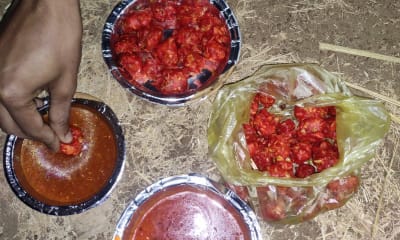
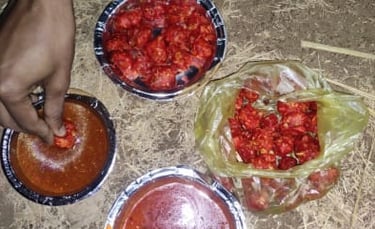
Indian street food is not merely a category of food; it is a living system shaped by hunger, speed, affordability, habit, emotion, and survival. Across India, from railway stations and bus stands to school gates, office streets, and crowded markets, fast food has quietly become the most regularly consumed form of nutrition for millions. It is quick, cheap, visually attractive, and immediately satisfying, but beneath its taste and colour lies a deeply concerning reality that connects artificial food colours, unhygienic preparation, changing eating behaviour, and a rising burden of disease.
Traditionally, Indian street food was rooted in seasonality and simplicity. Colours came naturally from turmeric, red chilli, coriander, tomatoes, beetroot, slow cooking, and fresh ingredients. Food was prepared daily, often in front of the customer, and eaten fresh. Urbanisation, population pressure, rising competition, and shrinking margins transformed this ecosystem.
Speed replaced patience, appearance replaced nutrition, and intensity replaced balance. As cities expanded faster than infrastructure and regulation, fast food culture flourished, and with it came shortcuts that fundamentally altered what people were eating every day. Colour became the most powerful marketing tool because humans instinctively associate bright red with spice and excitement, orange with richness, and glossy textures with freshness.
Artificial food colours provided vendors with a cheap, consistent, and powerful way to attract customers instantly. A small quantity of synthetic dye could colour large volumes of food, something natural ingredients could not match in cost or intensity. The real danger emerged not only from permitted food colours used within limits, but from overuse, misuse, and substitution with non-food-grade industrial dyes meant for textiles and packaging, which are cheaper, stronger, heat-stable, and widely available in informal markets.
These chemicals do not fade during cooking or reheating, but they accumulate silently in the human body. Medical research has associated long-term exposure to certain synthetic colours with gastric irritation, liver stress, allergic reactions, hormonal imbalance, behavioural issues in children, and increased cancer risk. The damage is slow and cumulative, which makes it harder to detect and easier to ignore. People rarely collapse after a single plate of brightly coloured food; instead, acidity becomes chronic, digestion weakens, skin allergies appear, fatigue becomes normal, liver parameters rise quietly, and immunity declines over years.
Hygiene compounds this risk dramatically. Many street food operations function without access to clean running water, proper handwashing, safe storage, or waste management. Hands that handle money handle food, utensils are rinsed repeatedly in the same bucket, raw vegetables are inadequately washed, and cooked food remains uncovered for hours in open air.
Cooking oil is reused until it turns dark, viscous, and chemically degraded, producing trans fats and toxic compounds that inflame blood vessels, damage the heart, and accelerate metabolic disease. Garbage accumulation attracts flies and rodents that transfer pathogens such as Salmonella, E. coli, and other bacteria onto food surfaces without altering taste or smell, leading to food poisoning, diarrhoea, typhoid, cholera, and hepatitis A.
India reports millions of foodborne illness cases annually, many unrecorded, and street food while culturally invaluable remains a significant contributor in dense urban environments. Children are the most vulnerable to this system because bright colours attract them instantly, their bodies are smaller, their immune systems are still developing, and repeated exposure to synthetic additives and unhygienic food affects digestion, concentration, growth, and long-term health.
Fast food culture also reshapes eating behaviour across age groups: meals become irregular, portion sizes increase, salt, sugar, and oil exceed nutritional needs, and traditional balanced meals are replaced by snacks that provide calories without nourishment. Over time, this fuels obesity, diabetes, hypertension, fatty liver disease, and metabolic disorders that were once associated with adulthood but now appear in adolescents. Indian street food itself is not inherently unhealthy; dishes like idli, dosa, chana chaat, poha, roasted corn, boiled peanuts, and fresh fruit chaat can be nutritious when prepared honestly and hygienically.
The problem lies in shortcuts chemical colours replacing real ingredients, stale food disguised as fresh, and hygiene sacrificed for speed and profit. Vendors are not villains; many operate on razor-thin margins under rising costs and intense competition, often without training, awareness, or affordable alternatives, while regulation focuses more on punishment than support.
Responsibility is shared among consumers who chase extreme flavours and unnatural colours, vendors who respond to demand under pressure, and systems that fail to provide infrastructure, education, and enforcement at scale. The solution is not banning street food, which would destroy livelihoods and cultural identity, but gradual reform through vendor education, access to clean water and waste systems, strict control of industrial dyes in food markets, promotion of safe natural colouring alternatives, and greater consumer awareness.
Choosing less unnaturally colourful food, limiting street food frequency, teaching children moderation, and questioning what looks too bright or glossy can collectively shift demand. Food is not just fuel; it is information that programs the body every day. Indian street food can remain vibrant, affordable, and culturally rich, but only if health becomes an essential ingredient rather than an afterthought, because the most dangerous elements on our plates are often the ones we cannot see.